
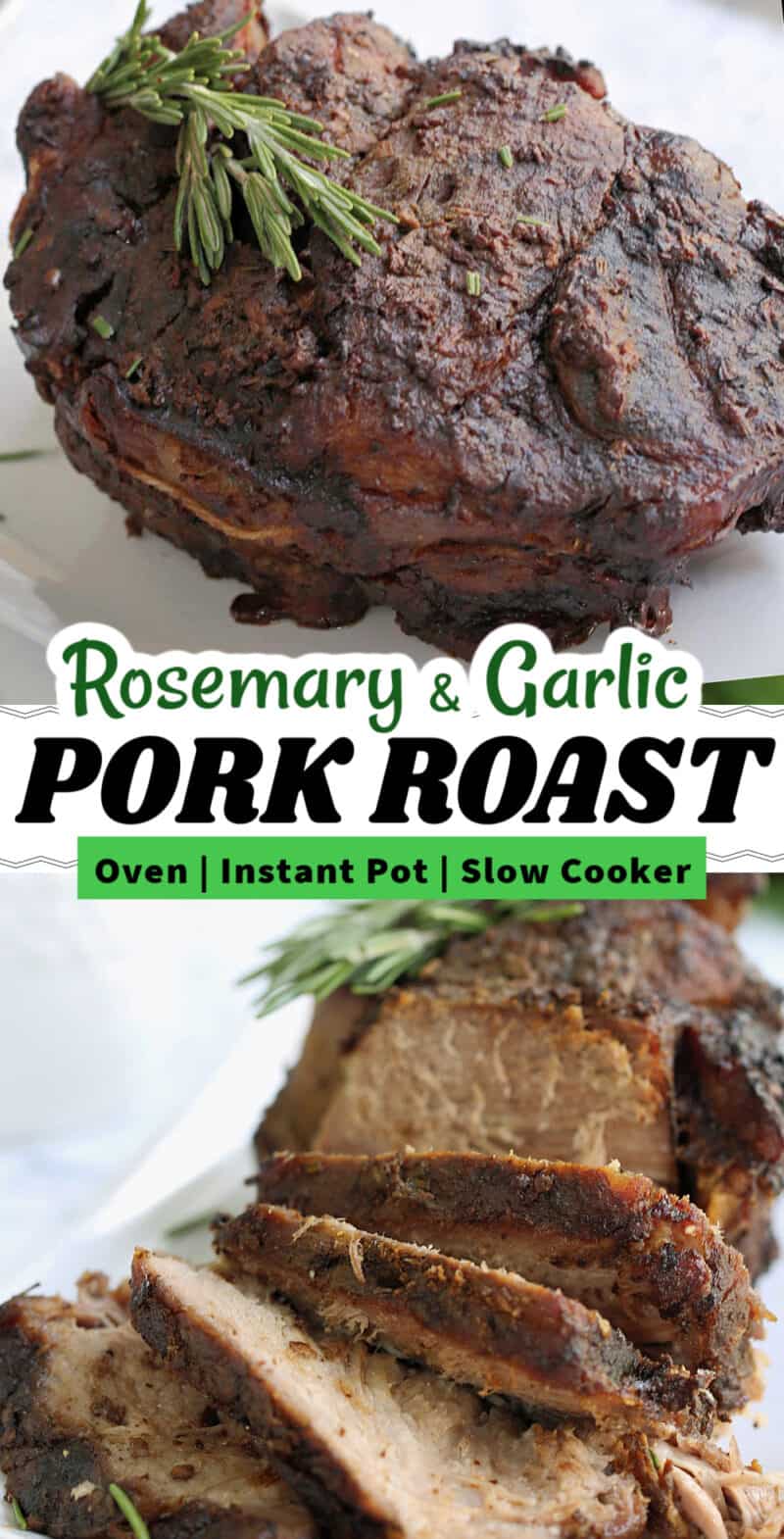
Rosemary Garlic Pork Roast
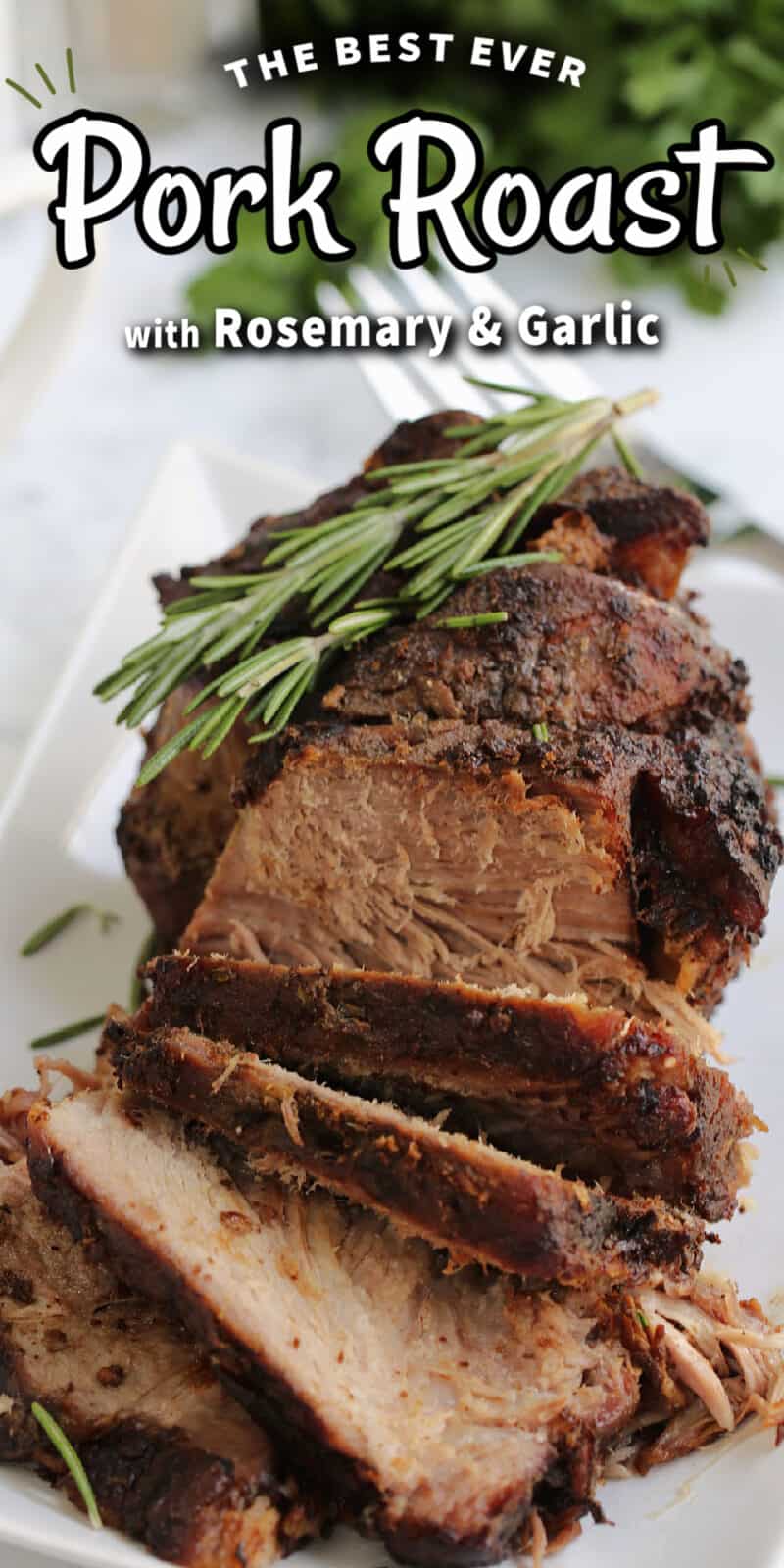
This tender and slow cooked Rosemary Garlic Pork Roast is a perfect Sunday dinner or special occasion dinner recipe. This marinated roast recipe is a crowd pleaser, so delicous and quick to prepare.
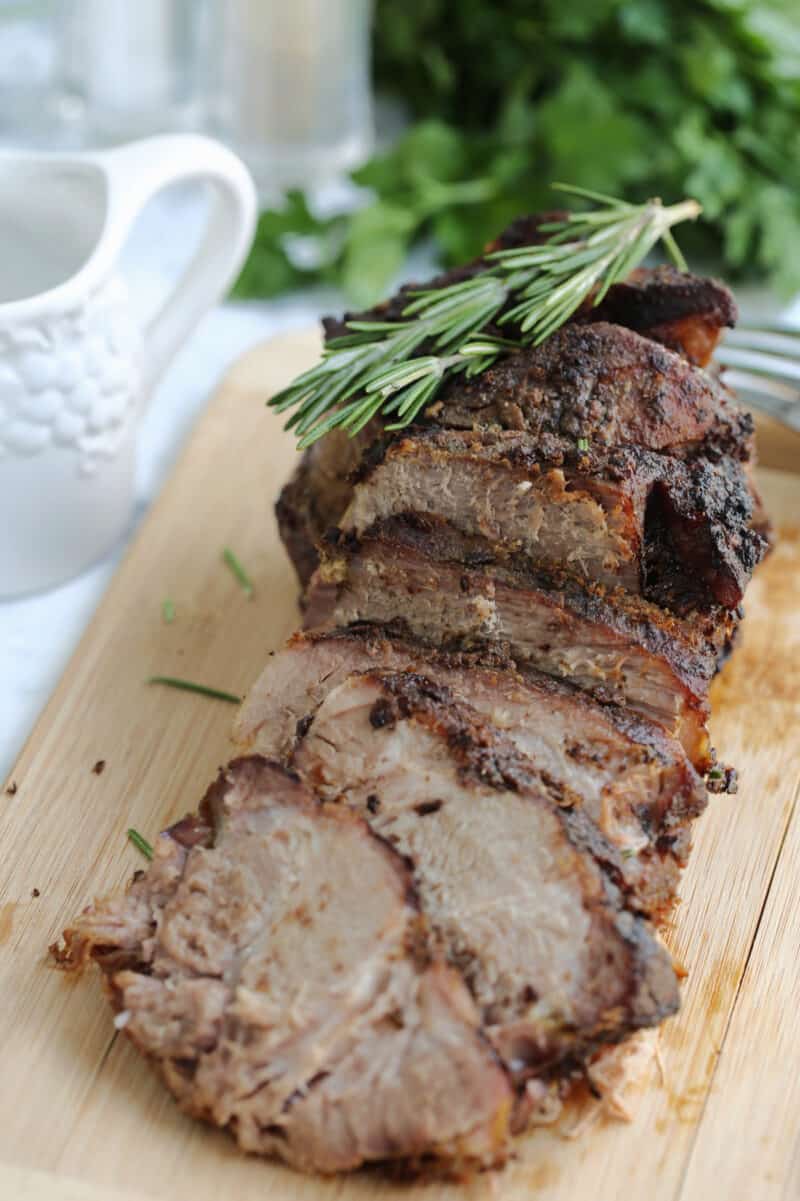
This Rosemary Garlic Pork Roast has become my go-to recipe for Sunday dinners, holiday meals, and any time I want to impress guests without spending hours in the kitchen. The combination of fresh rosemary and garlic creates an aromatic crust that keeps the pork incredibly tender and juicy inside.
I’ve made this recipe at least 30 times over the past five years, and I’ve learned exactly what works and what doesn’t. The key is getting that beautiful golden-brown exterior while keeping the inside at the perfect temperature of 145°F. Unlike other pork roast recipes that dry out, this method locks in moisture every single time.
What makes this easy pork roast recipe special is how forgiving it is. Even if you’re new to cooking pork roasts, the simple seasoning and straightforward roasting method make it nearly impossible to mess up. Plus, you only need 10 minutes of prep time before the oven does all the work.
Top it off with the best gravy and a side of potatoes or Cheesy Mashed Sweet Potato Casserole, and seasonal vegetables?
I’m drooling already, this is a classic and traditional meal will never go out of style. Best of all, it’s an easy recipe just like our French Onion Pot Roast Recipe!
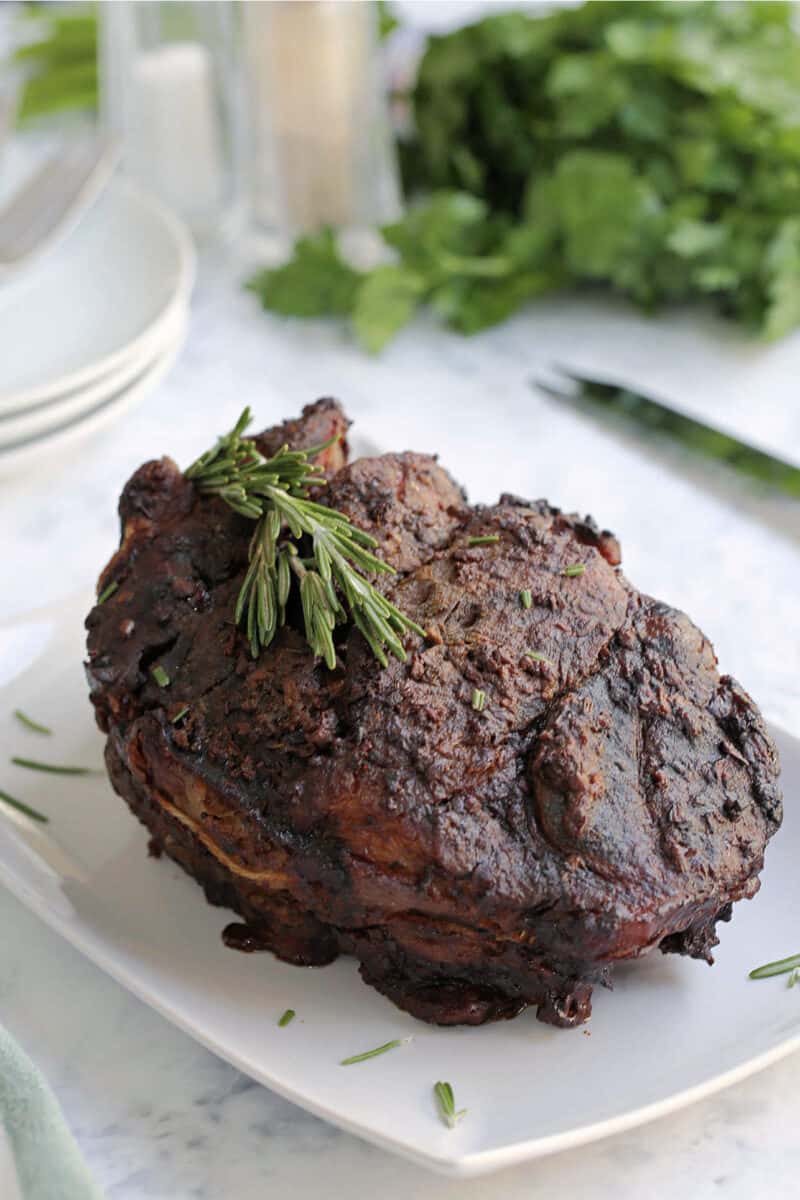
Why You’ll Love This Recipe
- Total Time: 7 Hours
- Serves: 12
Ingredients Notes and Substitutions
As always, the full ingredients and recipe is on the printable recipe card at the end of this post.
Recipe Variations
Once you master the basic recipe for juicy pork roast recipe, try these variations:
How to Make the Juiciest Rosemary Garlic Pork Roast
- Using a small food processor, combine the garlic, rosemary, salt, and pepper. Add the olive oil and process (scraping sides as needed) until it forms a smooth paste.
- Remove the blade and use a spoon to stir in the mustard until combined.
- Put your pork roast into a large ziplock bag and add in the blended rosemary mixture.
- Seal the bag and use your hands to rub the paste all over the pork, making sure all sides are covered. Refrigerate for 4 to 24 hours.
- Remove the marinated pork from the ziplock bag and transfer pork fat side down into a roasting pan or baking dish.
- Preheat the oven to 425 degrees while the pork sits at room temperature. Roast for 20 minutes uncovered, and then reduce the heat to 300 degrees.
- Continue to cook for 4-5 hours, or until an instant-read thermometer (meat thermometer) inserted into the middle reads 145°F followed by a 3-minute rest. This temperature keeps pork juicy while remaining safe. The meat will have a slight blush of pink in the center, which is correct.
- Remove the garlic herb pork roast from the oven and let rest before slicing: Resting allows juices to redistribute throughout the meat. If you cut immediately, all those juices run out onto the cutting board instead of staying in the meat. Slice against the grain: Look for the direction of the muscle fibers and cut perpendicular to them. This makes each slice more tender.
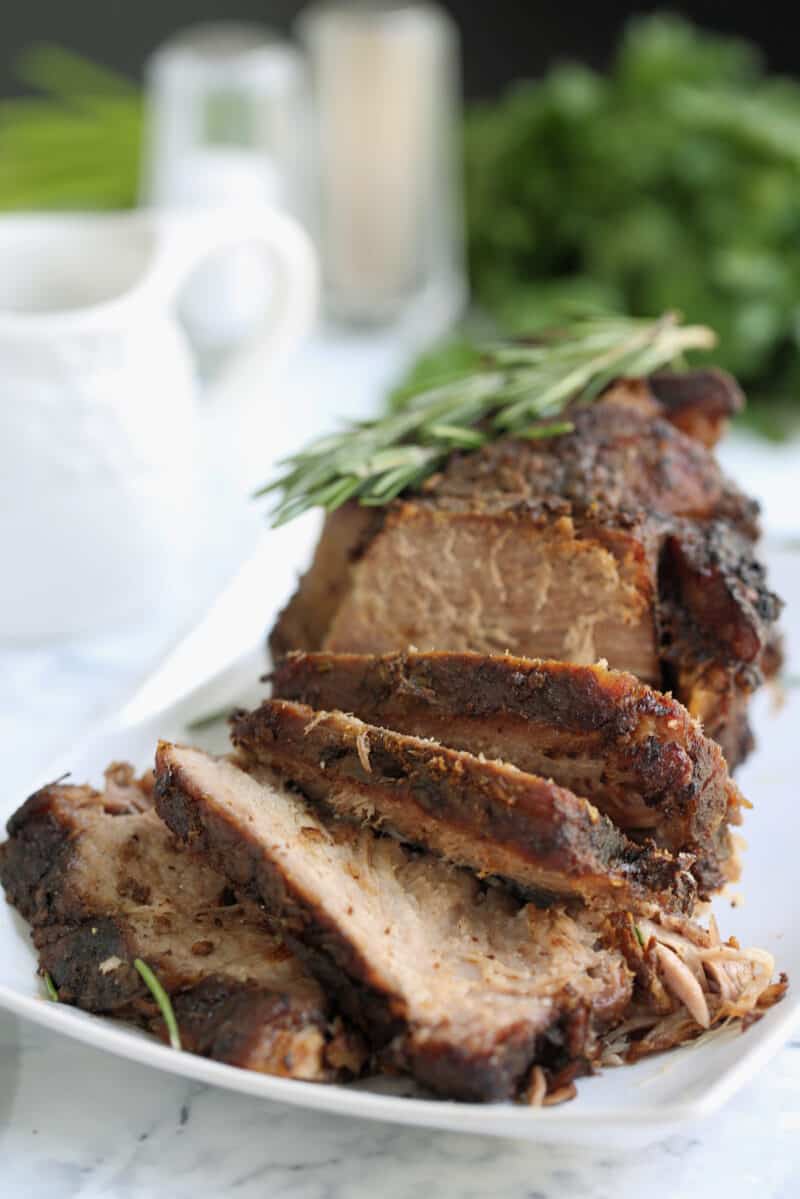
Save Meat Drippings and Juice
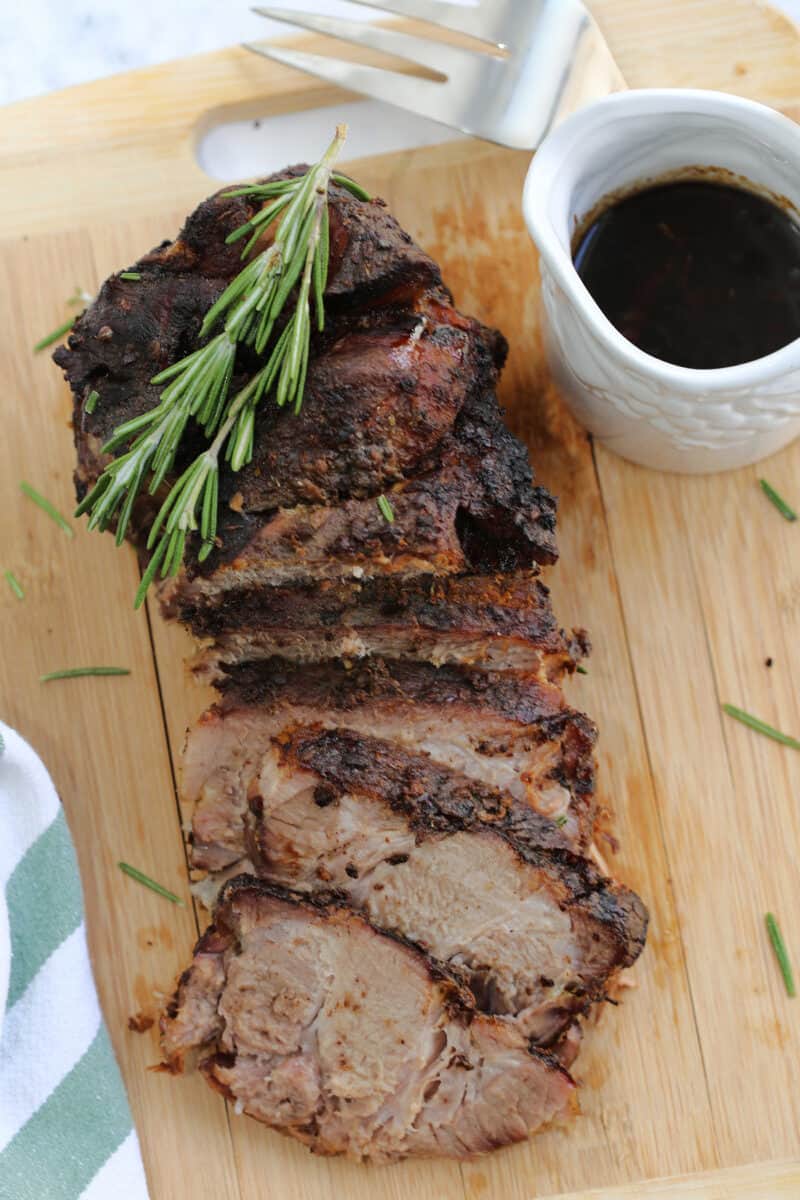
One tip, as seen in my photos is to save the meat drippings (if there is any) to be used as a sauce when serving.
Not familiar? Drippings are the pan juices left from roasted meat. While ‘gravy’ is thicken sauce made from a base, while ‘pan drippings’ refer to the seasoned but not yet thickened juices extracted from the roasted meat. Direct juice drippings are exceptional in flavour as they are not yet diluted.
What do you do with pork drippings? Simply scrape up the brown bits, and pour them into a measuring cup or small bowl, and place in the fridge for 15 minutes.
Once the fat has risen to the top and is formed, use a spoon to take off the fat layer. The remaining juice can be heated, with a half cup of chicken broth to the roasting pan, and serve the sauce over the meat for extra flavour.
Common Mistakes To Avoid
Other Cooking Methods for Juicy Pork Roast
While this recipe calls for oven method cooking, you have other options to cook roasted pork, and two popular ones are slow cooker pork roast and instant pot pork roast.

What to Serve with This Pork Roast
This roast pork entree pairs greatly with so many delicious side dishes, making it a versatile staple in your meal rotation.
Popular ones are potatoes and vegetables of course. For a low-carb side dish option, try our Roasted Garlic Cauliflower Mash.
Here are some of our favourite sides to serve with roasted pork:
- Crispy Oven Balsamic Potatoes
- Crockpot Funeral Potatoes
- Oven Roasted Red Potatoes
- Garlic Herb and Parmesan Roasted Red Potatoes
- Focaccia Bread
- Sautéed Garlic Balsamic Mushrooms
- Roasted Parmesan Green Beans
- Honey Glazed Carrots
- Lemon Pepper Asparagus
- Cranberry Jelly
- Air Fryer Asparagus with Parmesan
For another roast seasoning to try, use our Homemade Onion Soup Mix.
How to Store and Reheat Leftovers
Proper storage keeps leftovers delicious:
Refrigerator storage: Let the pork cool to room temperature (within 2 hours of cooking). Slice or keep whole, then store in an airtight container for up to 5 days. I prefer slicing it before storing because it reheats more evenly.
Freezer storage: Wrap tightly in plastic wrap, then aluminum foil, or use freezer bags with air removed. Label with the date. Frozen pork roast maintains quality for up to 3 months.
Reheating instructions: For best results, reheat slices in a covered dish with a few tablespoons of chicken broth at 325°F for about 15 minutes. This adds moisture back into the meat. You can also reheat individual slices in the microwave for 45-60 seconds covered with a damp paper towel.
Keep the drippings: Store pan drippings separately in the refrigerator for up to 4 days. Use them to make gravy, add to soups, or reheat the pork slices in them for extra flavor.
Ways to Use Leftover Pork Roast
Maximize your leftovers with these ideas:
- Pork sandwiches: Slice thinly and pile on crusty rolls with arugula, caramelized onions, and Dijon mustard.
- Pork fried rice: Dice the pork and add it to fried rice with vegetables, eggs, and soy sauce.
- Pork tacos: Shred the meat and warm it with taco seasoning for quick weeknight tacos.
- Grain bowls: Top quinoa or rice with sliced pork, roasted vegetables, and your favorite dressing.
- Pork and white bean soup: Dice leftover pork and add it to a simple white bean soup for protein. You can also make our Crockpot Ham and Bean Soup Recipe.
- Chef’s salad: Slice the roasted pork loin over mixed greens with hard-boiled eggs, cheese, and vegetables.
- Breakfast hash: Dice and crisp up in a skillet with potatoes, peppers, and onions. Top with a fried egg.
Recipe FAQ
Use a boneless pork loin roast (sometimes labeled as center cut pork loin). This is different from pork tenderloin, which is smaller and thinner. A pork loin roast is the ideal size for roasting and serves 6-8 people. Avoid pork shoulder for this recipe as it requires different cooking methods.
Yes, but you’ll need to adjust cooking time significantly. Pork tenderloin is much smaller and cooks in about 25-30 minutes at 400°F. Use the same seasoning but check internal temperature starting at 20 minutes.
Overcooking is the main culprit. Pork cooked beyond 145°F starts losing moisture rapidly. Always use a meat thermometer and remove the roast at exactly 145°F. Also make sure you’re letting it rest before slicing so juices redistribute.
You can season the roast up to 24 hours in advance. Rub with the herb mixture, cover tightly, and refrigerate. Bring to room temperature before cooking. I don’t recommend searing ahead as the crust loses its texture.
More Pork Recipes
If you are looking for delicious pork recipes to try, I suggest:
If you’ve tried this Pork Roast Recipe let me know how it went in the comments below. Finally, consider leaving a 🌟 star rating. Thanks!
Rosemary Garlic Pork Roast
Ingredients
- 6 lb boneless pork roast
- 3 Tablespoons garlic (minced)
- 3 Tablespoons fresh rosemary (chopped)
- 2 teaspoons kosher salt
- 1 teaspoon black pepper
- 1/3 cup olive oil
- 2 Tablespoons dijon mustard
Instructions
- Using a small food processor, combine the garlic, rosemary, salt, and pepper.
- Add the olive oil and process again, scraping sides as needed until combined. Remove the blade and use a spoon to stir in the mustard until combined.
- Put your pork roast into a large ziplock bag and add in the mixture. Seal the bag press mixture all over the pork, making sure all sides are covered. Refrigerate and marinate for 4 to 24 hours.
- Remove the pork and transfer into a roasting pan or baking dish. Preheat the oven to 425 degrees while the pork sits at room temperature.
- Roast uncovered for 20 minutes, and then reduce the heat to 300 degrees. Continue to cook for 4-5 hours, or until the internal temperature reads 145 degrees when inserted into the thickest part of the meat.
- Remove the pork and let rest for 10 minutes. Slice and serve.
Notes
- Place the pan drippings from the cooked pork into a cup and refrigerate for 15 minutes. Remove fat from the top, and re-heat the juice. Pour over sliced pork.
- For Slow Cooker and Instant Pot directions, please refer to: https://myorganizedchaos.net/2021/10/rosemary-garlic-pork-roast
Nutrition





The amount of scrolling it took to get to the actual recipe is why I won’t be making it.
‘Jump to recipe’ at the top of the post. But ok.
“Pulled pork” – I’m so embarrassed about Google’s stupid “helpful” change to my comment. If you can, please edit it.
Haha. I might just leave it up because it’s so darned funny. Thanks for leaving a comment, I’m glad you enjoyed! 🙂
This recipe is a hit! We threw all ingredients in the slow cooker and enjoyed puked pork over boiled potatoes at the end of the day. Mmmm, good! I would cut back the salt next time, by half.